
ClydeFest provided a unique opportunity to bring everyone together in a welcoming and relaxed environment. Attendees enjoyed live music, a variety of food and drinks, and engaging games. This event facilitated meaningful connections with Clyde Munro professionals and offered valuable insights into our organisation and the exciting opportunities we provide.
Author: Rachel Hayes
Introducing a revolutionary full arch implant solution with CHROME GuidedSMILE
CHROME GuidedSMILE offers a game-changing approach for Clyde Munro dentists, streamlining treatment planning and reducing surgery and appointment times. This market-leading All-On-X guided surgery enables patients to receive a new set of teeth in just one day, while dentists benefit from efficient procedures and the ability to complete treatments in around 5-6 appointments.
Watch the full video to hear about this innovative treatment from Callum Graham, Clyde Munro’s Chief Clinical Officer & Head of Advanced Dentistry.
The Dental Job Diaries Episode 13: The importance of Dental Therapists in practice with Fiona Sloss
In this episode, Fiona Sloss, Dental Therapist and Hygienist shares insights on the evolving role of Dental Therapists in the dental field:
‘’The Dental Therapist role will be one of the roles that will change the most in the dental landscape. It is a career that is still finding its feet, working out what we can do and what we want to be. Clyde Munro is a great group, they are really supportive and innovative. If I were starting my career as a Dental Therapist, I would not think twice about joining their Dental Therapist Programme.’’
Dentistry and Fitness: A winning combination for mental wellbeing
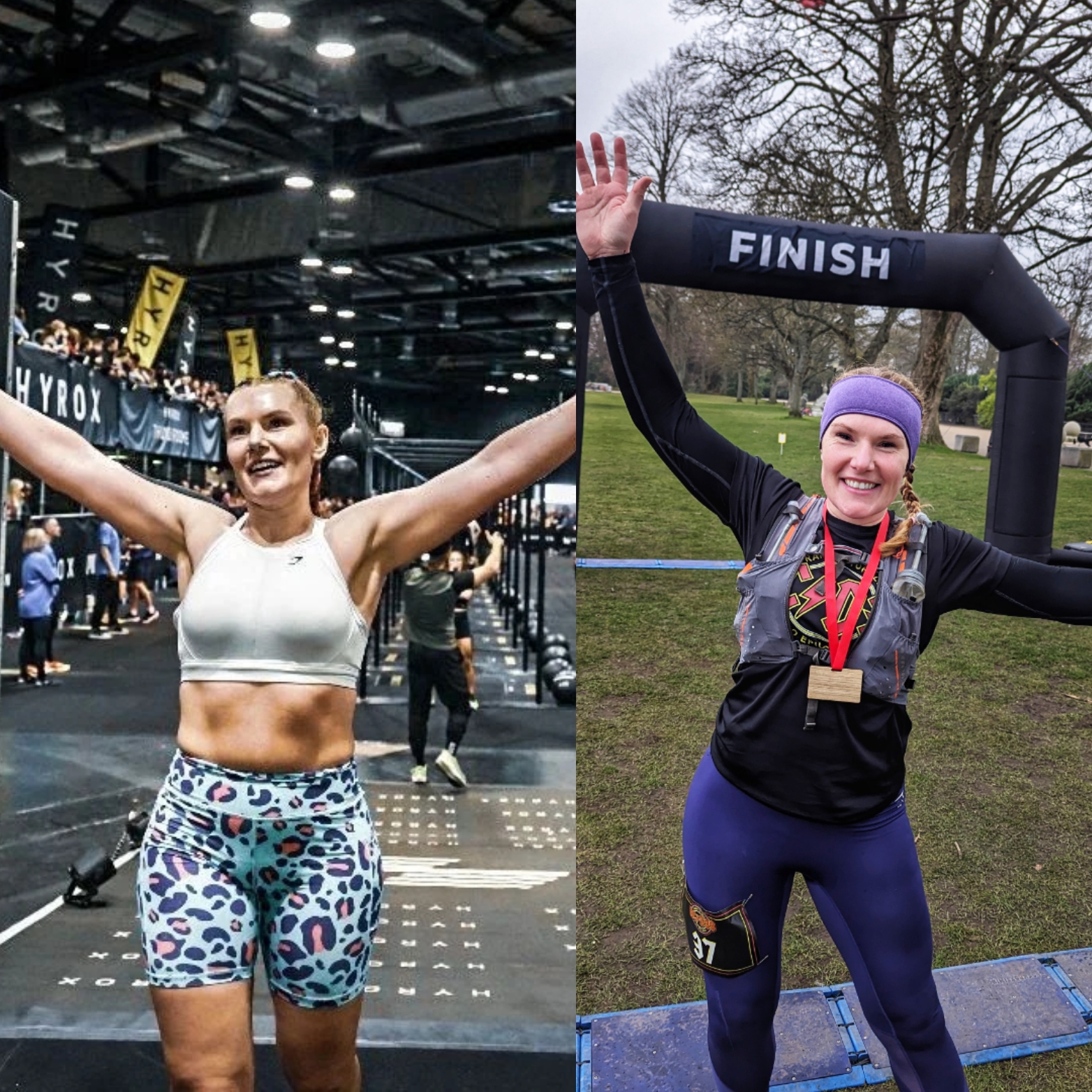
In the fast-paced world of dentistry, stress can often loom large. Yet, for some, the rigours of the profession are met with an unexpected ally: sports and physical fitness. We sat down with one of our Associate Dentists, Rachael Dinsmore, to discuss the profound impact of sports on mental health and stress management.
Can you tell us more about your recent achievements in sports, particularly your completion of the Deeside Way Ultra Marathon and Hyrox?
I completed my first Hyrox event in Glasgow at the start of March (Hyrox is a functional fitness competition combining running 1km x8, with functional strength stations between the running). Six days later, I completed my second ultra marathon, The Deeside Way Ultra. It was 33.33 miles from Aberdeen to Banchory and back. I have since signed up for another Hyrox event in November, this time in Dublin. They were two mega-tough endurance events, so thankfully, I only have much shorter events (10kms) for the rest of this year.
How do you balance such intense physical activities with your career in dentistry?
This can be a struggle when working full time, but you have to be disciplined and consistent and prioritise your time. This has often meant 5 am alarms to get long training runs in! I either try to get my strength training sessions in before work at 8 am or on my lunch break at 1 pm. As I like to spend my evenings relaxing with my dog and husband. Striking the balance also means listening to your body and trying to fuel it as best as possible, and I do like to get my 8 hours of sleep in a night to help with recovery.
You mentioned that high-intensity and endurance training help you manage the daily stresses of dentistry. Could you elaborate on how physical activity contributes to your overall wellbeing and stress management?
Being fit and healthy certainly helps in a fast-paced working environment. My strength certainly comes in useful with tricky extractions. Being a full-time mainly NHS dentist could be an endurance sport in itself! I have been focusing on a lot of powerlifting, and I hope to enter my first competition soon. I have found that the strength that I have developed in this discipline has helped me maintain good posture, which I hope will stave off any future neck and back occupational pains. Some of the major benefits of strength training include supporting musculoskeletal health and improving heart health.
Hopefully, this will reduce the impacts of natural ageing processes like weakening bones. Being ten years into this demanding career, I need to look after my body and my mind if I want longevity within my career.
Dentistry is often considered a high-stress profession. How has incorporating sports and fitness into your routine positively impacted your ability to cope with this stress?
Dentistry is, without a doubt, a high-stress profession. I have found exercise to be a powerful tool to destress. Being active has many physical benefits but is also so good for your mind. When I’ve been out for a run before the working day starts, it makes me feel invigorated and accomplished—ready to take on whatever the day has in store. I also love walking my dog in the evenings after a busy day, as time to unwind and decompress.

From your experience, what specific benefits have you noticed regarding mental health and stress reduction since engaging in regular physical activity?
Having taken part in different sports over recent years, whether CrossFit, endurance running events, boxing or powerlifting – they have all helped strengthen my mental resilience. Being able to stay calm under pressure is definitely an attribute most dentists can appreciate needing to use daily.
It is all too easy to overthink or have anxious thoughts; training or having event goals helps manage and alleviate negative patterns of thought by giving me a positive focus and driving my physical self-performance. Having wins, no matter how small, helps with self-esteem and mood because I’ve found by challenging myself that I grow in confidence.
What advice would you give to other dental professionals who may be struggling to find ways to manage stress in their profession?
Be kind to yourself and make time to unwind. It is so important to look after your own wellbeing if you want to be fit enough to care for your patients in the future. Even if physical activity isn’t for you just yet, there are other ways to try to manage your stress—ask friends for book recommendations, get out in the garden, call a family member for a catch-up, or try a new audiobook or podcast. Just reach out, as support will always be available.
How do you suggest individuals find activities that work best for them?
Put yourself out there to try new things. Remember that everyone was once a beginner. I am not the best at what I do, but I enjoy it, and that’s what’s important to me. You’ll never manage to maintain a new hobby if you’re actually not enjoying it. You could try getting a coach to help keep you accountable or bring a friend for support.
In what ways do you think the dental profession as a whole could better promote the importance of physical activity among its members?
In busy practices, there are always so many time pressures. You need to know when to say no and be strict with yourself regarding timekeeping. Don’t over-stretch yourself trying to fit too much into one appointment for patients, and make sure your team knows how you want your appointment book to look. It is too easy when trying our best for our patients to let standards slip – not allowing yourself a full lunch break or working beyond opening hours etc. You need to get out of the four walls of your surgery as often as possible. Working within a supportive team really helps this – an understanding that we are only human too!
Beyond stress reduction, have you noticed any other professional or personal benefits from maintaining an active lifestyle?
Being active or having hobbies outside of dentistry is a great conversation starter with patients. Having worked at DCP for 10 years this August, many patients ask me how my dog is, what events I’m currently signed up for, how my training is going, etc. It is nice to build rapport with patients and this gives another level of trust within the dentist-patient relationship, as they know me more beyond just being their dentist.
Can you share any memorable moments or experiences where your commitment to fitness directly influenced your performance or mindset in the dental clinic?
When a male colleague needs my assistance with an extraction – that’s pretty rewarding and empowering. I think my determined and resilient mindset (strengthened within my sports) is needed daily in dentistry – there’s always a problem to overcome or an anxious patient to manage.
Find out more about our culture and support network.
Clyde Munro takes early career dentists to Germany
As part of this year’s Flying Start Programme at Clyde Munro – year-long training for dentists in their early careers – dentists are going behind the scenes in Germany with Dentsply Sirona.
Clyde Munro, Jim Hall – Chief Executive Officer and Founder – comments:
“We are proud to be recognised as the leading digital dental group in Europe. This passion for digital dentistry led us to extend our partnership with Dentsply Sirona and we are thrilled to be taking dentists to tour the Dentsply Sirona R&D/manufacturing facility in Germany.
“This is a fantastic chance to view the future of dentistry and the very latest developments in dental equipment. It will be a very special event for our dentists and I hope that it creates a real sense of excitement for the future of dentistry. I also hope they leave feeling confident that Clyde Munro will help them in every possible way to become all that they can be as dentists, through training and education, access to the latest technology and experienced clinical support.”
Find out more about about our Flying Start Programme here.
The importance of Dental Therapists for Dentists and patients
We speak to Fiona Sloss, Dental Therapist at Clyde Munro Dental Group, about what the role means to her and how dental therapy skills can be better utilised within the practice.
Could you outline your career so far?

I started working as a Dental Nurse when I was 19 years old, but I wanted to be more hands-on and involved with patient care. I took the online access to higher education diploma and was later accepted by the University of Sheffield to study hygiene and therapy when I was about 21. It was a fantastic course and I couldn’t recommend it enough – there was a practical approach with a lot of emphasis on therapy and we were trained alongside dentists.
I studied during Covid, which brought its own challenges. We could only see a limited number of patients each week, which delayed graduation. I was therefore pleased to find a job in a great practice, which later joined the Clyde Munro group. It meant moving to a small Scottish town, which might not have been the easiest relocation, but my practice colleagues helped me find an Airbnb until I could purchase my own place which was amazing. My family is Scottish so I have spent much time here, and I can’t speak highly enough of the country and the people.
What do you enjoy most about the dental therapist role?
Definitely the patient interaction! I enjoy getting to prevent problems, while also being able to help people out of problems that have already occurred. Seeing patients leave the practice happier than when they arrived is the best.
I also really enjoy the restorative work and in future would like to focus more on the cosmetic side. Between Direct Access and potential incoming changes to the dental hygienist/therapist’s prescribing rights, there are many things we can do – and even more we will be able to do – in these areas.
How important is the role of dental therapist in practice?
For patients, the dental therapist can help shorten wait times for treatment. My scope of practice is smaller than a dentist’s, but that means I focus specifically on the procedures I do offer. I also usually have more time in appointments to dedicate to prevention and patient education, which is essential for their current and future oral health. Especially when it comes to children, I find I am able to send more time with them than a dentist feasibly could.
From the practice’s perspective, my role as a dental therapist allows the dentists to focus on more advanced treatments. One of the dentists I work with likes to concentrate on implants, for example, so I take on more of the restorative work that his patients need to allow him time for this. That’s where I think the dental therapist can be best utilised in practice – working alongside dentists with a special interest in a specific area. However, the ability to share the workload is useful for many practices, especially given that most are fit to bursting with patients right now!
Why do you think the dental therapist may be under-utilised in practice and across dentistry as a whole?
In many cases, I think dentists aren’t fully aware of what a dental therapist can do. The sooner that dentists understand the dental therapist’s scope, the better. That’s why I believe my university training alongside dentists was so beneficial. Those dentists could see the value of dental therapy for them and their patients from the beginning of their careers.
What is one thing that every practice team can implement to enhance the benefits of a dental therapist?
Communication is essential. I know that I can speak to a dentist whenever I have a query or want to confirm a course of treatment. This ensures continuity of care for the patient and also shows the dentist which areas I am most confident in. This is important for building their trust in my skills – which is the second most important aspect of utilising the skill mix in the practice.
What is it like working with Clyde Munro?
On a day-to-day basis, the practice hasn’t changed since joining Clyde Munro. It’s good to know that high standards are maintained in order to meet expectations across the group, but our clinic was already in a good place. Clyde Munro has helped me introduce the GBT kit into my work, funding and supporting the change of process this required, which I really appreciated. I have been using this now for over a year and patient feedback is incredible!
What are your thoughts on the Dental Therapist Support Programme Clyde Munro offers?
I’m a big believer in this programme. If it had been available when I started at the practice, I would have raced to get involved. It’s providing a level of support that is just not available elsewhere. To have the support of the dentists in your practice echoed by the group on a wider level means a lot. It also provides a great opportunity to meet other dental therapists and hygienists – we’re often the only dental therapist/hygienist in the practice so being able to connect with more professionals in our position is amazing. In addition, Clyde Munro’s Dental Therapist Programme covers useful clinical topics which enhance the skills of newly qualified professionals or offer a valuable refresher for those who have not had a chance to utilise their therapy skills for some time. It’s all about building competence and confidence.
Any final thoughts?
The more we get used to working as a team, and the sooner all professionals become comfortable working together in this way, the better dentistry will be further down the line. For dentists beginning to work with a dental therapist, there is going to be a learning curve, but if you don’t start you won’t ever see the benefits.
Clyde Munro has recently launched a Therapist Programme, designed this to help recently graduated Dental Therapists consolidate and expand their clinical capabilities in a range of relevant areas. To learn more, visit https://careers.clydemunrodental.com/training/therapist-support-programme/
AI-supported workflows at Clyde Munro
In the modern dental arena, artificial intelligence (AI) is increasingly having an impact on how dentistry is practised. From the professional workflow to the patient experience, utilising AI-driven technologies affords a myriad of advantages. Clyde Munro understands the crucial role that this plays in helping to improve the quality of patient care delivered, which is why it is investing in its practice facilities. Callum Graham, Clinical Director of the group, provides some insights into what is available and why…
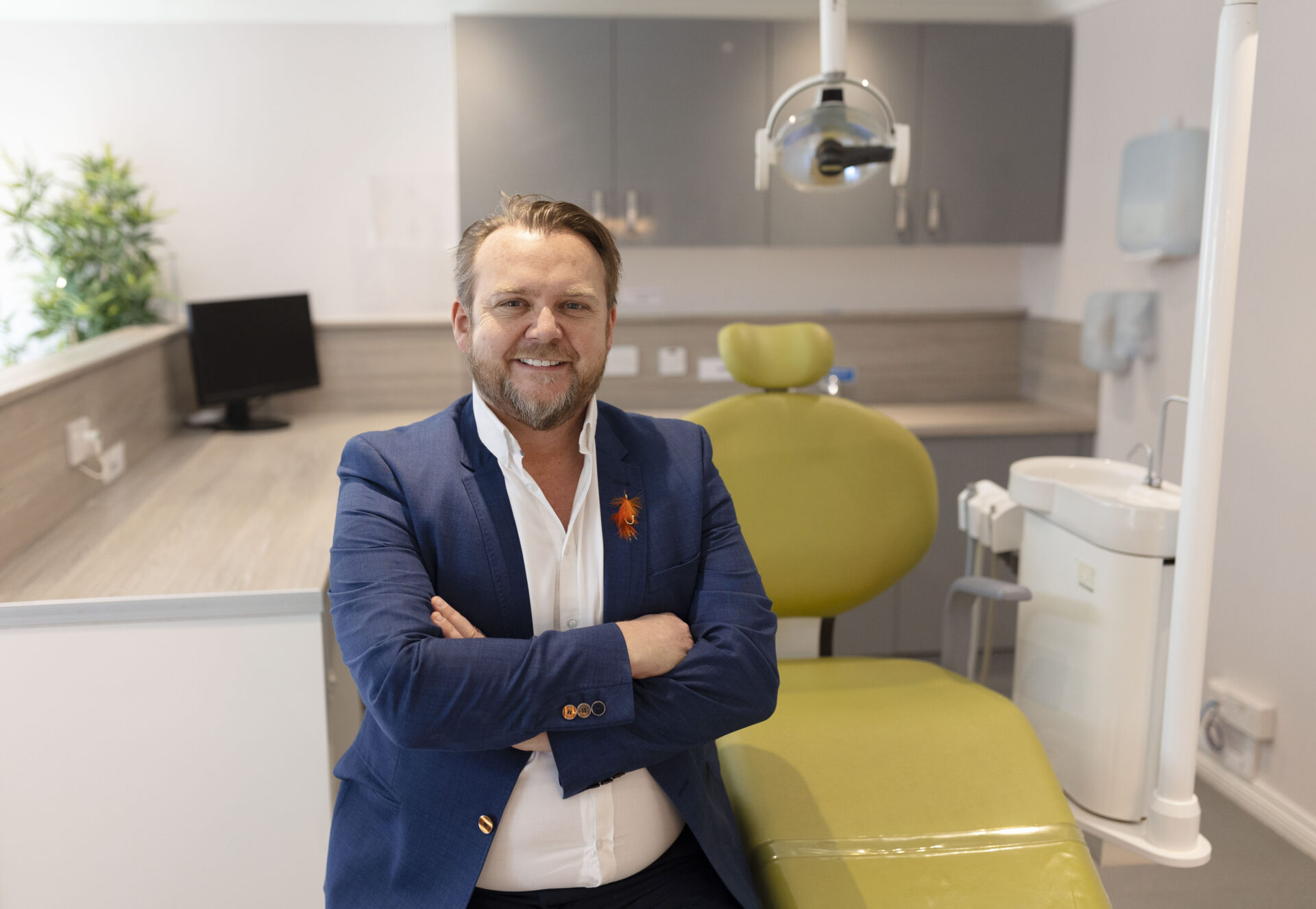
AI has given us the opportunity to streamline the way that we deliver care to our patients. It helps us to communicate better with patients, showing them radiographic images and clinical photography in ways that help improve their understanding of their oral health and/or their treatment needs. We can also provide digitally-generated images and models of how their teeth will likely look after treatment, before we start. This makes communication easier and helps with effective patient management, diagnostic accuracy and in ensuring patients have the correct information to make informed decisions, a pre-requisite in the consent process.
But it is not only the patient interaction that benefits. A lot of AI is used in the smile design process, allowing clinicians to plan for implants, veneers and crowns, bridgework or dentures more effectively. The software can be utilised to plan these treatments and ensure that the new smile fits in harmoniously with the patient and their expectations. It makes these things a little bit easier and a lot more predictable.
Of course, there are still some challenges that must be navigated to implement AI successfully in the practice. As with any new technology there is a learning curve and introducing AI-assisted workflows requires adaptation from the dental team. Some dentists may feel that it’s taking the clinical decision away from them, but this is absolutely not the case. The software is there to support their decision-making process.
AI-supported workflows are available in different forms at Clyde Munro. Firstly, we use Pearl Second Opinion® which provides AI-assisted support for clinicians when reporting on radiographs. It highlights potential areas of concern or potential disease which the clinician can correlate with their findings, ensuring that nothing is missed. It helps to save time and the report can be colour co-ordinated and marked to improve the patient’s understanding too. We have received very positive feedback from patients who are blown away by the technology our dentists are using. They appreciate the investment in their care and are typically more interested in and engaged with what the dentist is saying. Treatment acceptance is higher as well, with the AI report validating the dentist’s recommendations.
We also use Dental Monitoring, available throughout Clyde Munro, which supports orthodontic treatment by ensuring that tooth movements are progressing as expected using remote technology. Fewer practice visits are required and any issues are identified as soon as they arise with the weekly upload of progress photos.
I would definitely recommend that colleagues get involved and try AI technology for themselves. It may take some time to get used to it, but it can become a very useful part of the workflow, saving time and making processes more robust.
Regardless of what stage you have reached in your career, Clyde Munro offers all the support and opportunity you need to excel. Contact our team at joinus@clydemunrodental.com to discover the right position for you!
Investing in our people and their futures through our Advanced Dentistry & Clinical Skills Centre
What makes an excellent working environment? Well, a number of factors will need to be considered, including the opportunities presented for professional growth and development. That’s why – amongst various other valuable offerings – Clyde Munro Dental Group has prioritised education and training for all members of its practices with the dedicated Advanced Dentistry & Clinical Skills Centre.
What’s the goal? To provide all professionals with access to an array of courses that will develop skills, support career aspirations and inspire greatness. This training facility is an investment from Clyde Munro into its people, their futures and the quality of patient care that can be delivered in practices across Scotland. Even in its first year of being established, the centre has already benefited hundreds of individuals keen to advance their knowledge and confidence in a variety of clinical and non-clinical areas.
Ensuring the relevance of topics covered for dentists, the course list has been designed based on feedback from associates. We asked, they answered and we responded. We are also proud to offer training led by some of our own clinicians who have extensive talents and experience in the educational field too. All courses for dentists are offered at significantly subsidised rates, as are programmes for dental nurses, VTs, dental hygienists/therapists and practice managers – with many of these delivered for free.
In 2024, there is a wide range of topics being explored. For dentists, these include endodontics, IPR and retention, pain management, composite veneers, crown prep, oral surgery and CBCT training, with a mixture of hands-on practical courses and theoretical programmes. Dental nurses have gained access to dedicated education in orthodontic photography and impression taking, with all team members benefiting from mental health first aider and safeguarding training.
Aside from the quality and accessibility of the training and education available, Clyde Munro has also created exceptional, purpose-built training facilities which further set them apart in the profession. On the premises, we have a teaching room with nine phantom heads, adjacent to a fully functional dental surgery with comprehensive AV set-up, as well as a CBCT room. This means that there is capacity for clinicians to observe live surgeries from the room or remotely, enriching the learning experience significantly.
To equip this facility, Clyde Munro chose to work with a leading supplier of dental technology that shares the same ethos for clinical excellence – Dentsply Sirona. Already an equipment partner of the group, the company was the natural choice for the facility. Dentsply Sirona’s proven track record is a testament to Clyde Munro’s investment in quality in every area of the business.
Many of the courses are available to professionals outside the Clyde Munro group as well, though our own members receive significant discounts and can access an online portal for easy booking, CPD certificate storage and more.
So, no matter your role in the practice, how long you have been working in dentistry or what your career ambitions are, Clyde Munro invests in you and your future. To find out more about upcoming courses available at the Advanced Dentistry and Clinical Skills Centre, please visit education.clydemunrodental.com or email courses@clydemunrodental.com.
The Dental Job Diaries Episode 12: Discover Clyde Munro’s Innovative Dental Therapist Programme
In this podcast, David McColl, Associate Dentist and Clinical Advisor at Clyde Munro, talks about the new Therapist Programme. From Dental Therapists that qualify to enrol in this initiative, to how this will benefit their career, and all the advantages that come with it.
‘’We want to give a support network, because we really believe that it is all about support. You don’t want to feel alone if things go wrong, you need someone to turn to for advice, support and mentoring. Having the right person, delivering the right care, at the right time is really key here.’’
Transitioning from VT to Associate Dentist with Clyde Munro Dental Group
It doesn’t matter how long you have been working in dentistry, what you have achieved so far or what your career aspirations are, Clyde Munro offers supported development opportunities for you. In fact, we are proud to provide a comprehensive pathway for all our dentists, with ongoing education and training taking clinicians from VT to associate dentist, and later on to lecturer, teacher, mentor or associate with special interests.
From the very beginning, we help dentists create an effective development plan for them. We have a huge network of highly experienced dentists and mentors to offer advice and guidance, enabling all young dentists to discover the right pathway for them. But this support doesn’t stop there. Education and training are available to all our dentists at every stage of their career. With practices across Scotland, we always have great opportunities for dentists looking for different responsibilities and new challenges.
Post-qualification
Clyde Munro has various VT training practices set up specifically to enable VTs to consolidate, advance and broaden their skills in a safe and effective way. We give them access to cutting-edge technologies, encouraging them to deliver the highest quality patient care from the very beginning. With a network of talented and highly experienced clinicians across the group, we offer expert mentorship for VTs throughout their training.
The standard VT study days are complemented by Clyde Munro’s own Best Foot Forward Programme, further improving each dentist’s transition into an associate role. This provides additional training days throughout the year, covering important topics that we feel VTs need to understand as they lay solid foundations for a long and successful career in dentistry. Sessions explore technology that utilises artificial intelligence (AI) and its impact on patient care, including how it facilitates the reading of radiographs for accurate diagnostics and improves patient communication.
The programme also aims to build confidence in endodontics, help individuals maximise opportunities as self-employed contractors, and enable dentists to better manage their stress for enhanced wellbeing. We appreciate the pressure that dentists can be under, so we feel it is especially important to help our clinicians optimise their own physical and mental health, as well as their patients’.
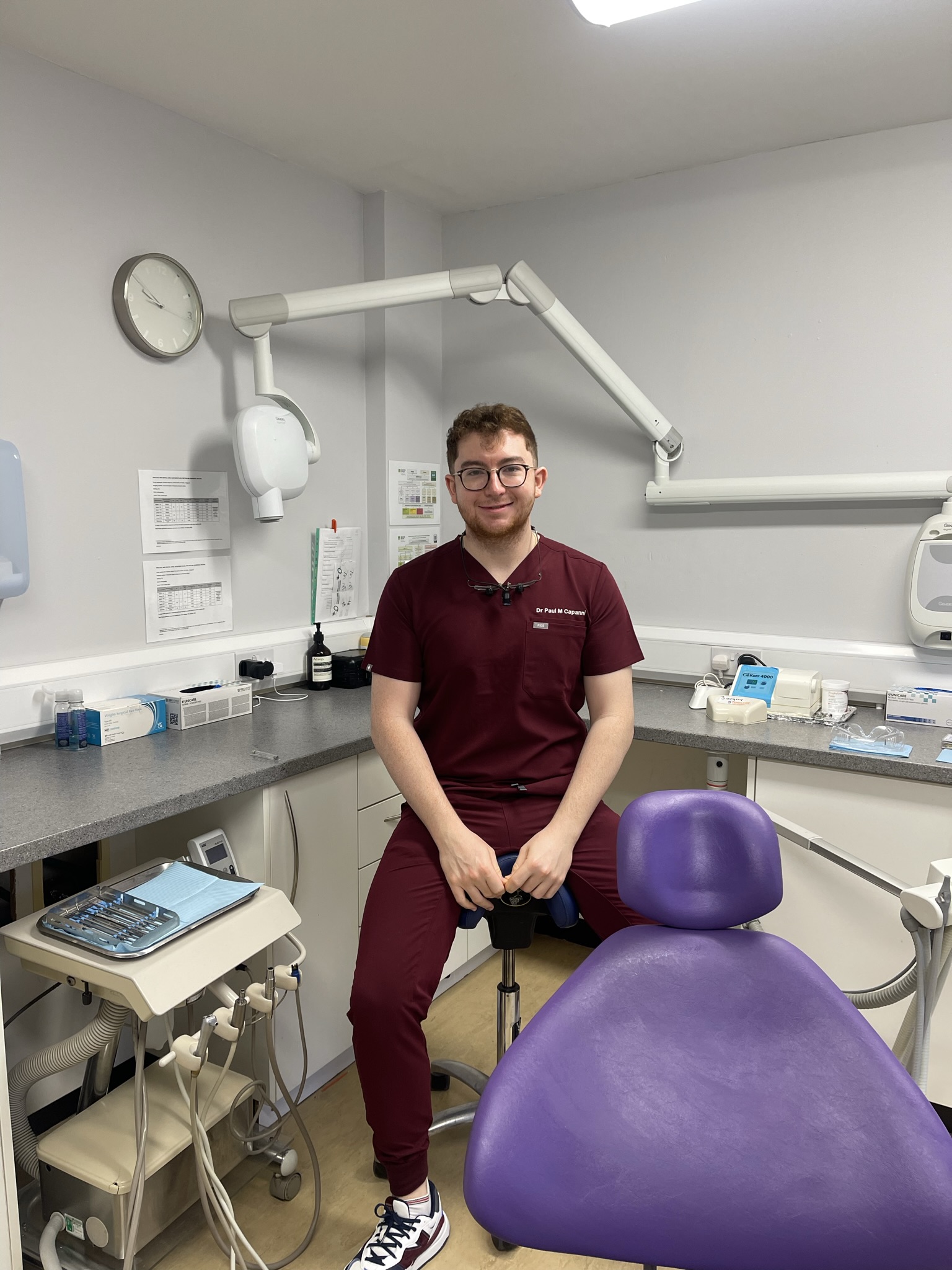
Dr Paul Capanni said in his VT year:
“Working within Clyde Munro, you feel like you’re a part of something bigger. There’s a lot of support in everything from clinical aspects to logistical and financial. It’s nice to be at the forefront of digital dentistry and to be exposed to things you might otherwise not be exposed to. It’s a good group to work for; they are always investing in you in some way.”
Early careers
Beyond VT, Clyde Munro provides the Flying Start Programme. This initiative continues the support dentists need to make the very most of their initial years as an associate. It provides training on a range of clinical, financial and business topics. From further education in endodontics to ethical selling, optimising digital workflows and improving sustainability, the programme explores all the areas that clinicians need to know about.
Dr James Campbell commented:
“The Flying Start Programme has been integral to my personal and professional development. It means that there is a network of peers and more experienced colleagues to turn to for support whenever I need it. The practical advice, help and training received from experts on aesthetic treatment plans and patient communication has been most helpful for me.”
Later career
Even once dentists are established within their careers, Clyde Munro continues to offer education, CPD and development opportunities. Have a special interest in a certain area? We can help. Looking to start teaching or mentoring others? We have a network for you to support. Learning never stops in dentistry, and neither does the support from Clyde Munro. Whatever your career aspirations, we have the passion, support and facilities to make them happen!
Dr Bruce Duguid said:
”I have been a GDP for 28 years and working with Clyde Munro for about 2 years. The biggest reason I enjoy working with them is the huge support network available. It’s a very large family of dentists, rather than an isolated group of practitioners. Dentistry can be a very lonely and isolated profession. As such, it’s nice to have other professionals to reach out to and get support from if needed.”
To find out more about the career opportunities and vacancies available with Clyde Munro, contact joinus@clydemunrodental.com for a confidential chat.